What does SCE pay for exported solar under NEM 3.0?
SCE’s own average export values by season and hour, how the nine-year lock and bonus credit work, and what that means for sizing solar and storage.
Short answer
Under SCE’s Solar Billing Plan (the CPUC’s Net Billing Tariff, often called NEM 3.0), exported solar earns hourly credits that SCE says average about 6¢ per kWh on summer days, 21¢ from 4 to 9 p.m. and 12¢ overnight for customers starting in 2026, and about 3¢, 10¢ and 10¢ in winter. Values are locked for nine years by start year, and residential customers who enroll before 2028 also get an Energy Export Bonus Credit of about 4¢ per kWh (about 9¢ if income-qualified). The pattern, cheap at midday and valuable in the evening, is why storage matters on SCE.
On this page
SCE average export values
SCE publishes average Energy Export Credit values by season, time of day and the year a customer started on the plan. Summer is June through September; winter is October through May.
| Start year | Daytime (6 a.m.–4 p.m.) | Evening (4–9 p.m.) | Overnight (9 p.m.–6 a.m.) |
|---|---|---|---|
| 2023 | $0.05 | $0.23 | $0.07 |
| 2024 | $0.05 | $0.23 | $0.07 |
| 2025 | $0.06 | $0.21 | $0.12 |
| 2026 | $0.06 | $0.21 | $0.12 |
| Start year | Daytime (6 a.m.–4 p.m.) | Evening (4–9 p.m.) | Overnight (9 p.m.–6 a.m.) |
|---|---|---|---|
| 2023 | $0.03 | $0.05 | $0.04 |
| 2024 | $0.03 | $0.05 | $0.04 |
| 2025 | $0.03 | $0.09 | $0.10 |
| 2026 | $0.03 | $0.10 | $0.10 |
These are averages. The actual credit is set hourly using values the CPUC determines, so a hot September evening can be worth far more than the average and a mild spring noon far less.
How the Solar Billing Plan works
Your home uses solar first
Solar output serves your own load before anything is exported, and that self-consumed energy avoids the full retail rate.
Exports earn credits
Energy you send to the grid earns Energy Export Credits at the hourly value. Credits are higher 4–9 p.m. and in summer.
TOU-D-PRIME rate
Solar Billing Plan customers are on SCE’s TOU-D-PRIME rate, where prices are highest on summer weekdays from 4 to 9 p.m.
Annual true-up
Once a year SCE settles the account. Credits for exports beyond what you used are adjusted (an “EEC Adjustment”), and eligible surplus is paid at about 2¢ per kWh.
Two details trip people up. First, export credits cannot pay set charges such as the monthly Base Services Charge. Second, the nine-year lock applies to new customers by start year; someone who buys a house that already has solar gets the current year’s values. The Energy Export Bonus Credit, about 4¢ per kWh for residential customers and about 9¢ for income-qualified customers, applies to eligible customers who enroll before 2028.
Not tax or legal advice
Current Energy is a licensed contractor. This page summarises publicly available rules as they stood on October 8, 2026 and is not tax, legal or financial advice. Programs change. Confirm anything that affects a real decision with your CPA, tax counsel or the program administrator.
What this means for system design
- Size to use, not to roof. SCE says the credit structure is designed so that systems are sized to a home’s needs. Oversized arrays export more low-value midday energy.
- Storage moves value. A battery that stores midday solar and covers 4–9 p.m. load turns 6¢ exports into avoided evening purchases. See home battery cost in California and Powerwall 3 vs Enphase vs FranklinWH.
- Shift flexible load. Running pool pumps, dishwashers and EV charging during sunny hours uses solar directly.
- Federal credit. Homeowner-owned systems completed after December 31, 2025 get no 25D credit, so the payback has to stand on bill savings. See the federal solar tax credit guide.
Our NEM 3.0 explained answer covers the policy background.
SCE versus LADWP
Everything above applies to SCE customers, including much of Los Angeles County outside the City of Los Angeles and parts of the San Fernando Valley outside city limits. Homes and businesses inside the City of Los Angeles are on LADWP, a municipal utility that credits excess energy at your rate schedule’s energy pricing under its own net metering rider. See LADWP solar programs and rebates and home solar cost in Los Angeles. Not sure which utility you have? It is the name on your bill; send it to us and we will model the right one.
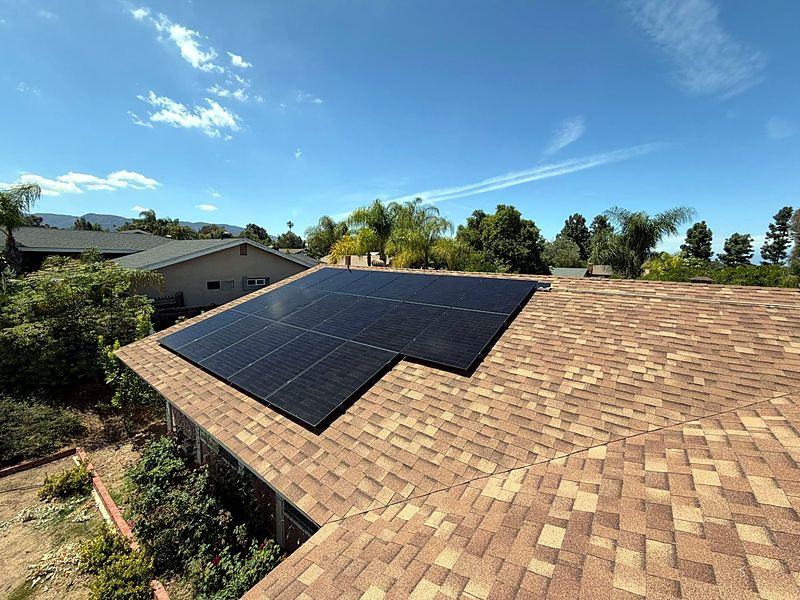
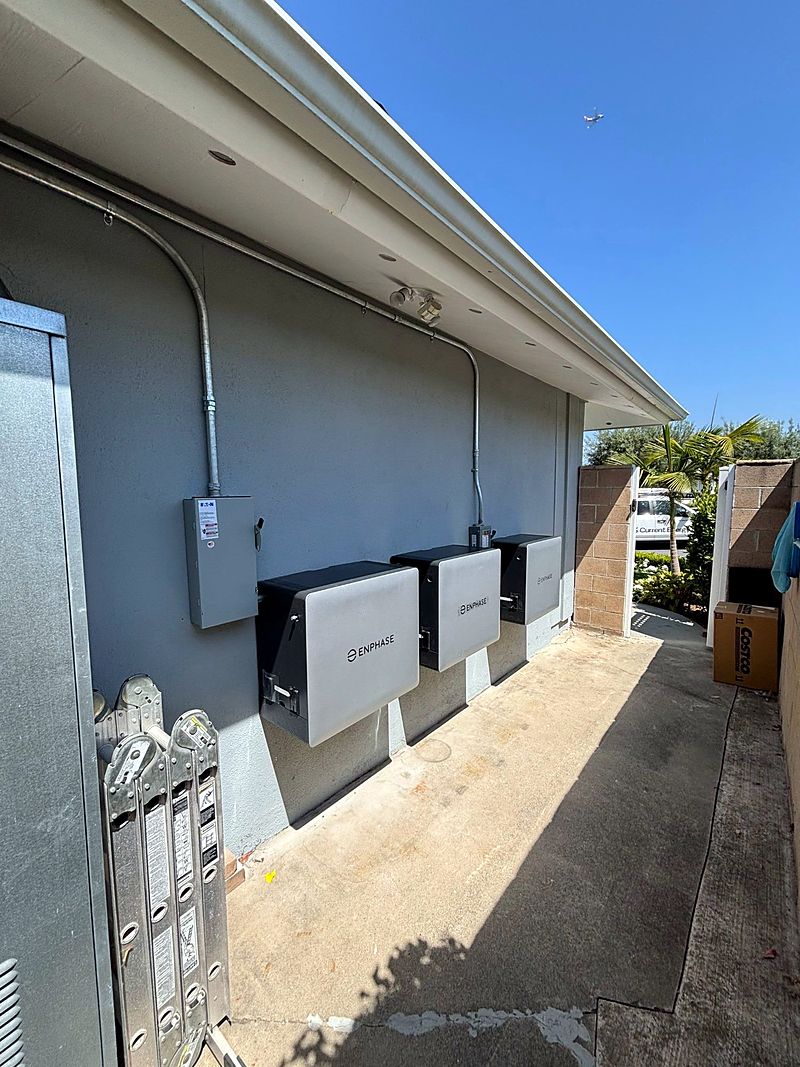
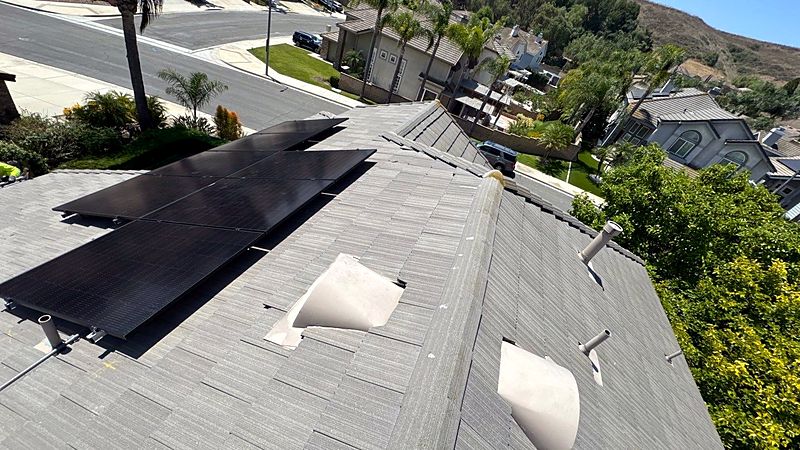
23 photographs from our own jobs →
Sources and further reading
- SCE — How Solar Billing Plans work — accessed October 8, 2026
- LADWP — EV, Net Energy Metering and REO rates — accessed October 8, 2026
- IRS — FAQs for modification of sections 25C, 25D, 25E, 30C, 30D, 45L, 45W and 179D under Public Law 119-21 (OBBB) — accessed October 8, 2026
Questions we get asked
What does SCE pay for exported solar under NEM 3.0 in 2026?
SCE’s published averages for customers starting in 2026 are about 6¢ per kWh in the summer daytime (6 a.m.–4 p.m.), 21¢ in the summer evening (4–9 p.m.) and 12¢ overnight, and about 3¢, 10¢ and 10¢ in winter. Actual values vary hour by hour.
Are SCE export rates locked in?
SCE says that, currently, new Solar Billing Plan customers have export values locked for nine years based on the year they began using solar with SCE. Customers who move into a home that already has solar get the current year’s prices.
What is the Energy Export Bonus Credit?
SCE says eligible Solar Billing Plan customers who enroll before 2028 receive an additional credit of about 4¢ per kWh for residential customers and about 9¢ per kWh for income-qualified customers.
Can export credits pay my whole bill?
No. SCE says credits cannot cover set taxes and fees such as the Base Services Charge. At the annual true-up, credits for exports beyond what you used from the grid are adjusted, and any eligible surplus is paid at the Net Surplus Compensation Rate of about 2¢ per kWh.
Does this apply to LADWP customers?
No. LADWP is a municipal utility with its own net energy metering rider, which credits excess energy at your rate schedule’s energy pricing. See our LADWP solar programs page.
Should I add a battery on SCE?
For many SCE homes it is the main lever, because summer evening exports and evening imports are worth several times midday exports. A battery stores midday solar for use from 4 to 9 p.m. Model it with your own usage before deciding.
Last updated October 2026
Size your system to SCE’s real export values.
Send twelve months of SCE usage. We will show you how much solar to install, whether a battery pays, and what the true-up will look like.