Commercial LED lighting and controls
The fastest-paying energy measure on most older commercial buildings, and the one that makes the solar project behind it smaller. Audited fixture by fixture using real run hours.
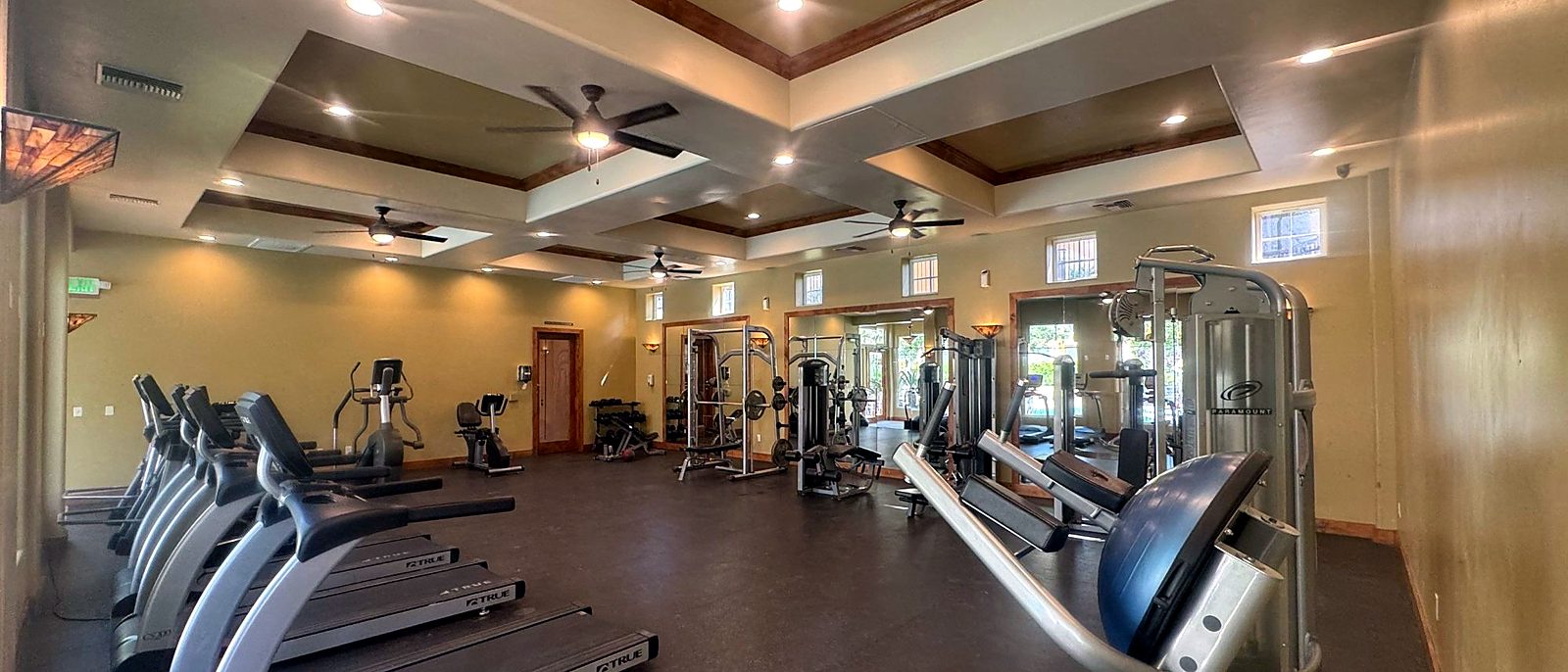
The cheapest kilowatt-hour is the one you never use
Lighting is unglamorous and it is usually the first thing we recommend on an older commercial building. It runs for thousands of hours a year, it is straightforward to replace, and every watt removed is a watt you no longer need to generate, store or buy.
It also has an effect people underestimate: reducing lighting load can shrink the solar array required to hit the same offset, which reduces the capital cost of the larger project sitting behind it.
Where the savings actually come from
Fixture efficacy
Replacing metal halide, high-pressure sodium, T8 and T12 fluorescent with modern LED. The straightforward part, and the only part most retrofits do.
Run hours
Occupancy sensing, daylight harvesting, scheduling and photocells. Lights that switch themselves off save more than lights that are merely efficient.
Demand impact
On commercial tariffs, lighting contributes to the monthly peak. Reducing connected lighting load shows up in the demand line, not only the energy line.
Typical retrofit candidates
| Space | Common existing | What usually changes |
|---|---|---|
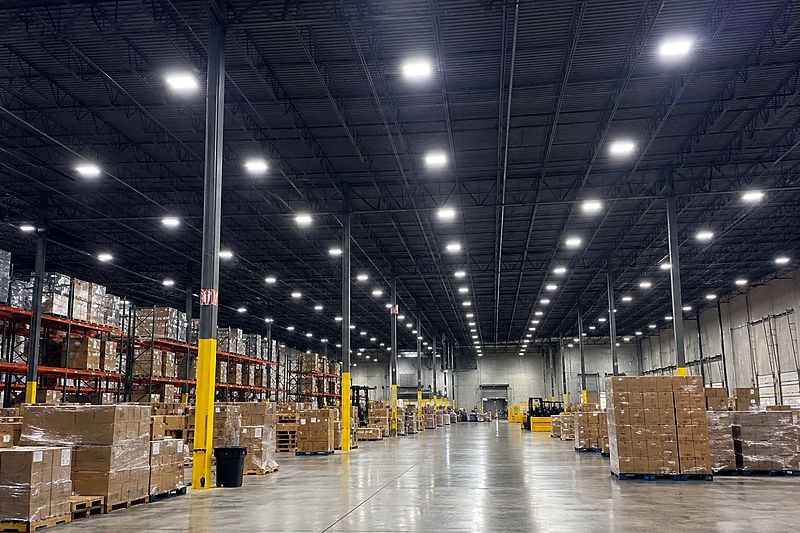
| Warehouse & industrial | Metal halide or T8 high bay | LED high bay with occupancy sensing per aisle |
| Parking lot & exterior | High-pressure sodium | LED area lighting with photocell and part-night dimming |
| Office | Recessed fluorescent troffers | LED troffers or retrofit kits with daylight harvesting near glazing |
| Retail | Halogen and metal halide accent | LED track and downlights, colour quality specified deliberately |
| Multifamily common areas | Mixed legacy fixtures, often always-on | LED with occupancy and scheduling in corridors, stairs and garages |
What we do
We audit fixture-by-fixture with run hours, quote from measured conditions, handle disposal of removed lamps and ballasts appropriately, and install with minimal interruption — after hours where that suits your operation. Where a utility efficiency program applies to your territory and measures, we identify it at proposal stage.
Questions we get asked
Is an LED retrofit still worth it if I already switched some fixtures?
Usually yes, because partial retrofits tend to leave the highest-hour areas untouched and skip controls entirely. The savings in a lighting project come from three places — fixture efficacy, hours of operation, and controls that stop lights running when nobody is there. Most half-finished retrofits captured only the first.
How quickly does a lighting retrofit pay back?
Lighting is normally the fastest-paying energy measure on a commercial building because the load runs many hours and the capital cost is modest relative to solar. Actual payback depends on your operating hours, your rate, existing fixture type and whether controls are included, so we quote it from a fixture count and a run-hour schedule rather than a rule of thumb.
Should I do lighting before solar?
Frequently, yes — and it is one of the few pieces of advice that reduces the size of the solar project we would sell you. Reducing load first means a smaller array does the same job. On buildings with old fixtures and long hours, lighting first then solar is straightforwardly the better order.
Do you handle exterior and parking lot lighting?
Yes — parking lots, walkways, wall packs and building exterior. These run all night, which makes them high-hour loads, and they also carry safety and liability weight that interior lighting does not. Photocell and scheduling controls matter here.
Let’s find out what your building can actually do.
Send twelve months of utility data — or one recent bill — and we will come back with a straight answer, including ‘not yet’ if that is the honest one.