Heat Pump Water Heaters: A Smarter Upgrade for Southern California Homes
How heat pump water heaters cut the energy a household spends on hot water, what they need in space and airflow, and when the upgrade makes sense.
On this page
Hot water is one of those household essentials most people only think about when it stops working. Yet the water heater can be one of the largest energy users in a home, especially when an older unit runs inefficiently or is poorly sized for the household. For Southern California homeowners planning a replacement, a heat pump water heater can offer a practical path to lower energy use without giving up everyday comfort.
Unlike a conventional electric resistance model that creates heat directly, a heat pump water heater moves heat from the surrounding air into the tank. That difference allows the system to deliver the same basic result – dependable hot water – with far less electricity in many homes. The U.S. Department of Energy notes that heat pump water heaters can be two to three times more efficient than standard electric resistance units.
Why Water Heater Efficiency Matters
Water heating accounts for a meaningful share of household energy use. Every shower, dishwasher cycle, and load of laundry draws from the system, so even a modest efficiency improvement can add up over the life of the equipment. An older water heater may also lose heat through the tank, recover slowly, or run longer than necessary because of sediment buildup and worn components.
An efficient replacement can improve more than the utility bill. Correct sizing can reduce the risk of running out of hot water, modern controls can make operation easier, and professional installation can address aging connections, ventilation concerns, drainage, and code requirements at the same time.
How a Heat Pump Water Heater Works
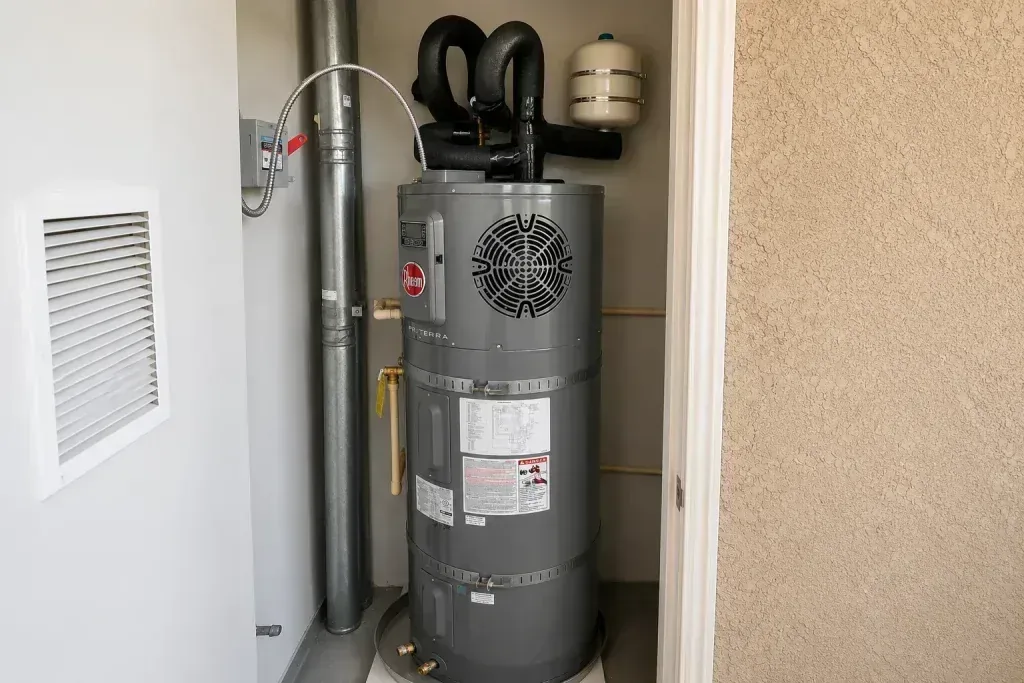
A heat pump water heater operates much like a refrigerator in reverse. A refrigerator removes heat from inside the cabinet and releases it into the room. A heat pump water heater collects heat from the surrounding air and transfers it into the water stored in the tank.
Most residential systems are hybrid units. They use the heat pump for efficient everyday operation and include electric resistance elements that can assist during periods of unusually high demand. Many models offer operating modes such as efficiency, hybrid, high demand, and vacation. This gives the homeowner more control over the balance between energy savings and recovery speed.
Key Benefits for Southern California Homes
Lower energy use is the primary advantage, but it is not the only one. Heat pump water heaters can pair especially well with rooftop solar because they use electricity rather than burning fuel at the appliance. Homeowners may be able to schedule water heating during periods of strong solar production or lower utility rates, depending on their equipment and rate plan.
The system can also provide a small amount of cooling and dehumidification in the room where it is installed because it removes heat from the surrounding air. That may be useful in a warm garage or utility space, although the effect should be considered during system design rather than treated as a substitute for air conditioning.
For homeowners working toward broader electrification, a heat pump water heater can be part of a coordinated plan that includes solar, battery storage, an EV charger, a heat pump HVAC system, or a main electrical panel upgrade.
Is Your Home a Good Fit?
Heat pump water heaters need suitable installation conditions. The unit requires enough surrounding air volume or a properly designed ducting solution, adequate clearance, a drain for condensate, and an electrical connection that matches the equipment. A cramped interior closet may require a different approach than an open garage or utility room.
Household hot-water demand also matters. The correct tank capacity and first-hour rating depend on the number of occupants, fixture use, and when hot water is typically needed. A larger tank may allow the heat pump to operate efficiently without relying heavily on the backup resistance elements during busy mornings or evenings.
A professional assessment should also review the existing electrical panel. Some homes already have sufficient capacity, while others may need a new circuit, load-management solution, or panel upgrade before installation.
Signs It May Be Time to Replace Your Water Heater
A water heater does not need to fail completely before replacement makes sense. Warning signs include inconsistent water temperature, visible corrosion, moisture around the tank, unusual popping or rumbling sounds, rusty water, repeated repairs, or a noticeable increase in energy use. The age of the equipment is another factor, but condition and performance are more important than age alone.
Planning the replacement before an emergency gives you time to compare technologies, review electrical requirements, evaluate available incentives, and choose a system that fits the property instead of accepting whichever unit is available during a no-hot-water emergency.
What Professional Installation Should Include
A complete installation begins with more than swapping one tank for another. The contractor should evaluate hot-water demand, equipment dimensions, electrical capacity, condensate drainage, seismic requirements, shutoff access, and applicable permits. The new system should be commissioned and tested so its controls, temperature settings, and operating modes are explained clearly to the homeowner.
Current Energy helps homeowners compare efficient water-heating options and understand how the upgrade fits with the rest of the property. Because the team also handles electrical, solar, battery, HVAC, and other energy improvements, the recommendation can account for future plans rather than treating the water heater as an isolated appliance.
Frequently Asked Questions
Do heat pump water heaters work in a garage?
Often, yes. A garage can provide the air volume and moderate temperatures these systems need, but the exact location, clearances, drainage, and electrical requirements should be evaluated before installation.
Will a heat pump water heater provide enough hot water?
A correctly sized system can meet normal household demand. Tank size, first-hour rating, household size, and usage patterns should all be considered. Hybrid modes can provide additional recovery during high-demand periods.
Can a heat pump water heater work with solar panels?
Yes. Because it runs on electricity, a heat pump water heater can be paired with a solar energy system. Controls and usage schedules may help the homeowner use more solar-generated electricity directly.
Are rebates always available?
Programs, eligibility rules, and funding change over time. Homeowners should confirm current federal, state, utility, and local offers before making a purchase decision.
Next Step
Ready to replace an aging water heater or explore a more efficient option? Schedule a free assessment with Current Energy to review your hot-water needs, installation space, electrical capacity, and available upgrade options.
Published July 30, 2026
More from the blog
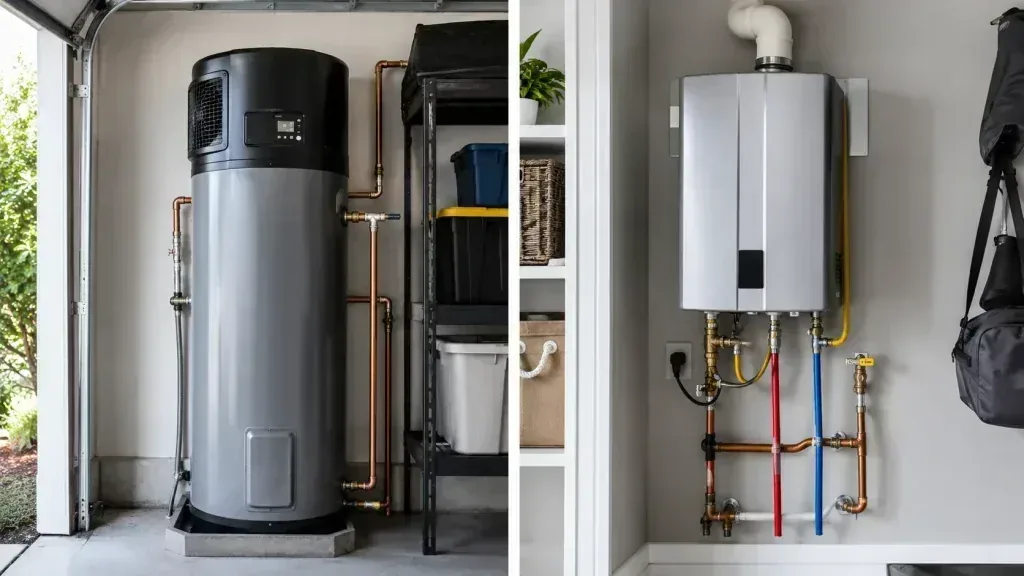 Water heatersHeat Pump vs. Tankless Water Heaters: Which Is Better for Your Home?How heat pump and tankless water heaters compare on running cost, hot water recovery, space and venting, and which one suits a Southern California home.Read the post
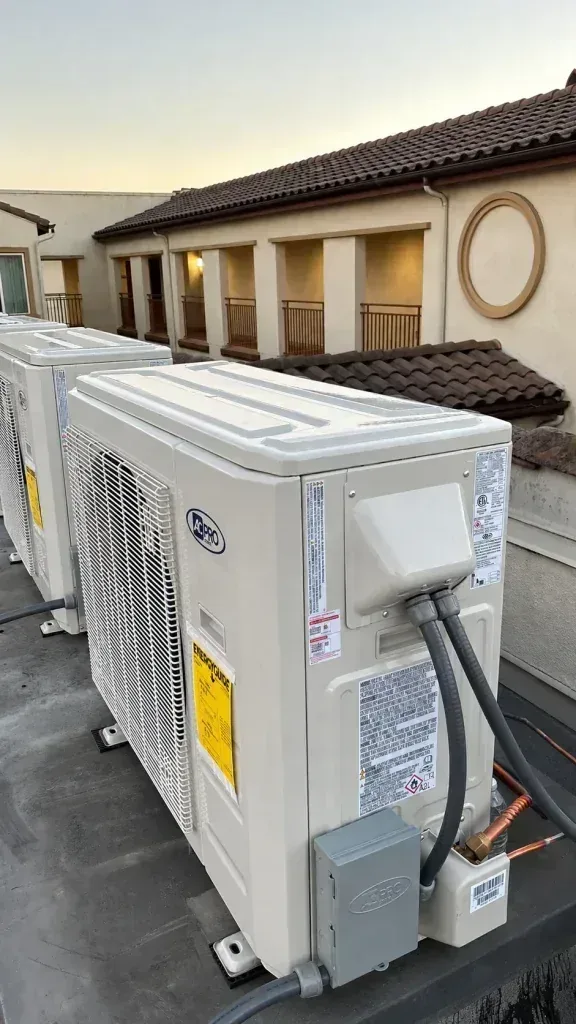 HVACHow a High-Efficiency HVAC System Can Lower Energy Costs and Improve ComfortWhat actually makes an HVAC system efficient, why sizing and installation matter more than the label on the box, and when replacing yours is worth it.Read the post
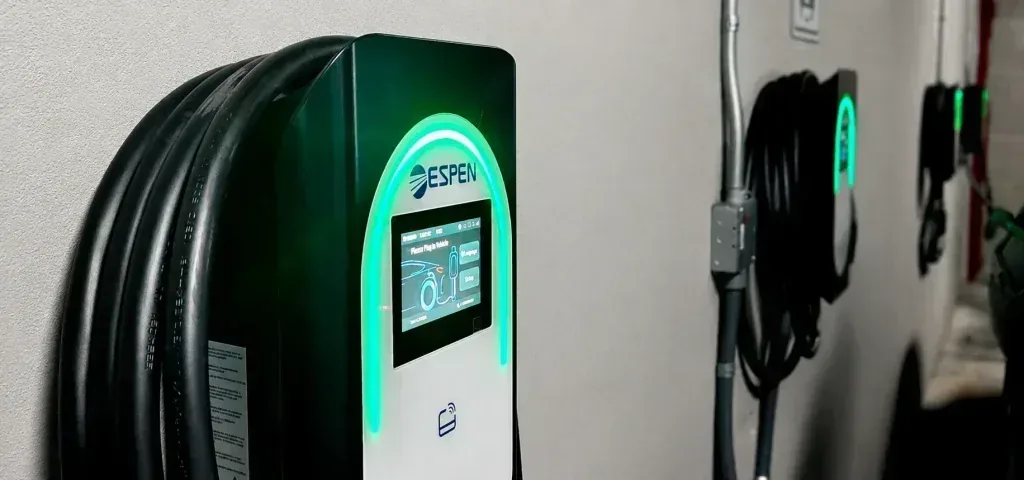 EV chargingLevel 2 EV Charger Installation: What Homeowners and Property Managers Should KnowWhat a Level 2 EV charger installation involves at a home or a managed property: electrical capacity, panel load, permitting, and what drives the cost.Read the post
Want this looked at on your own building?
One conversation and a recent bill is usually enough to tell you whether the numbers work.