How a High-Efficiency HVAC System Can Lower Energy Costs and Improve Comfort
What actually makes an HVAC system efficient, why sizing and installation matter more than the label on the box, and when replacing yours is worth it.
On this page
- What Makes an HVAC System High Efficiency?
- Correct Sizing Is Essential
- Heat Pumps Provide Heating and Cooling
- Ductwork Can Make or Break Performance
- Controls and Smart Thermostats
- Indoor Air Quality and Filtration
- Signs It May Be Time for HVAC Replacement
- Installation Quality and Ongoing Support
- Frequently Asked Questions
- Next Step
Heating and cooling directly affect how a home or business feels every day. When the system is aging, oversized, undersized, or poorly installed, occupants may experience hot and cold rooms, long run times, noise, humidity problems, frequent repairs, or unexpectedly high utility bills.
Replacing the equipment with a high-efficiency model can help, but efficiency ratings alone do not guarantee better performance. The system must be sized for the building, connected to suitable ductwork or distribution, installed correctly, and configured with controls that match how the space is used.
What Makes an HVAC System High Efficiency?
Air conditioners and heat pumps are rated using standardized efficiency metrics, while furnaces have their own fuel-efficiency ratings. Higher-rated equipment can use less energy to provide the same amount of heating or cooling under test conditions. Variable-speed compressors, advanced fan motors, improved heat exchangers, and smarter controls can also help the system adjust output rather than operating only at full power.
However, the installed system is what matters. Incorrect refrigerant charge, poor airflow, undersized ducts, leaky connections, or a mismatched indoor and outdoor unit can prevent high-rated equipment from delivering its expected performance.
Correct Sizing Is Essential
An HVAC system should be selected using a professional load calculation that considers square footage, insulation, windows, orientation, air leakage, occupancy, internal heat sources, climate, and other building characteristics. Replacing the old unit with the same nominal size is not always the right answer, especially if the building has been renovated or the original equipment was oversized.
An oversized air conditioner may cool the space quickly but shut off before it runs long enough to manage humidity and distribute air evenly. An undersized system may run continuously and still struggle during extreme weather. Proper sizing supports comfort, efficiency, equipment life, and quieter operation.
Heat Pumps Provide Heating and Cooling
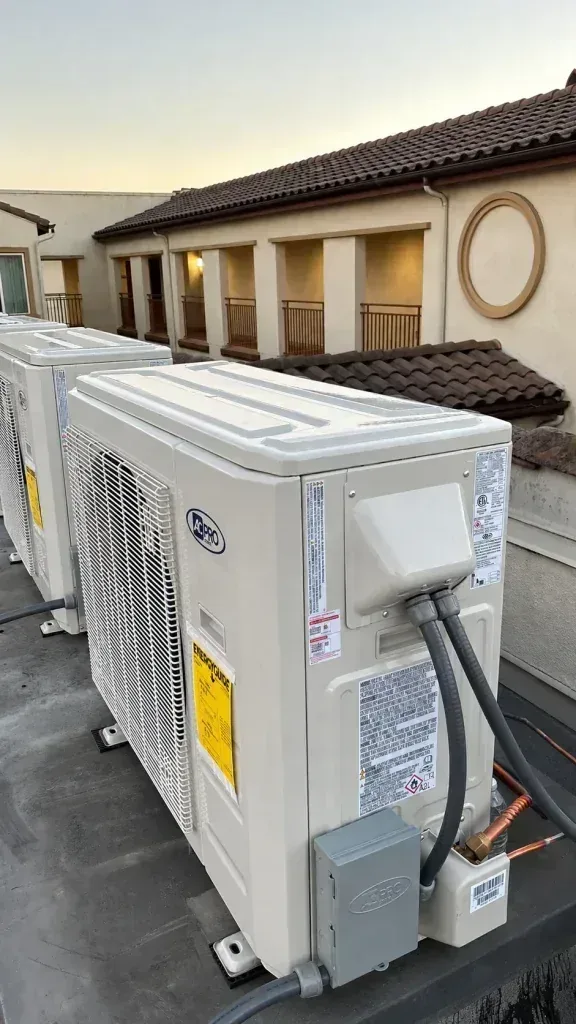
A heat pump can cool a building in summer and reverse operation to provide heat in cooler weather. Instead of generating heat through electric resistance, it moves heat from one place to another. Modern heat pumps can be an efficient option for many Southern California properties because the region generally has moderate winter conditions.
The best choice depends on the building, electrical capacity, existing fuel and equipment, duct condition, comfort priorities, and utility rates. Some projects are full electrification upgrades, while others use a different configuration based on the property’s needs.
Ductwork Can Make or Break Performance
Even excellent equipment cannot deliver comfort through damaged, leaky, poorly insulated, or incorrectly sized ducts. Air leakage can waste conditioned air in attics, crawlspaces, or utility areas. Restrictive ducts can reduce airflow, increase noise, and place additional stress on the blower and refrigeration system.
An HVAC assessment should examine accessible ducts, supply and return placement, filter size, static pressure, and room-by-room comfort complaints. Repairs, sealing, insulation, balancing, or redesign may be recommended when the distribution system is limiting performance.
Controls and Smart Thermostats
A compatible smart thermostat can make scheduling easier, provide remote access, and reduce unnecessary operation when the building is unoccupied. Some systems also provide equipment alerts, runtime information, zoning integration, or utility program compatibility.
Controls should be selected for the specific HVAC equipment. Advanced variable-capacity systems may require manufacturer controls to provide their full range of operation. The installer should explain which settings improve comfort and efficiency without creating aggressive temperature setbacks that cause long recovery periods.
Indoor Air Quality and Filtration
Comfort is not only temperature. Filtration, ventilation, humidity, and air distribution all affect the indoor environment. A new HVAC project is an opportunity to review filter type and size, outside-air needs, kitchen and bathroom exhaust, and whether occupants have specific sensitivity concerns.
A filter that is too restrictive for the system can reduce airflow, so filtration upgrades should be evaluated as part of the complete design. The goal is to improve air quality while maintaining equipment performance.
Signs It May Be Time for HVAC Replacement
Replacement may be worth considering when the system needs frequent repairs, uses an obsolete refrigerant, cannot maintain comfortable temperatures, creates excessive noise, causes uneven rooms, runs for unusually long periods, or has rising operating costs. A single repair does not automatically mean replacement is best, but repeated repair spending on aging equipment can change the economics.
For commercial and multifamily properties, additional considerations include tenant complaints, downtime risk, maintenance labor, control consistency, equipment standardization, and the ability to phase work without disrupting operations.
Installation Quality and Ongoing Support
A professional installation should include load calculations, equipment matching, permit handling, electrical review, duct and airflow evaluation, condensate management, refrigerant commissioning, thermostat setup, safety checks, and customer orientation. The contractor should provide clear documentation and explain maintenance requirements.
Current Energy designs and installs HVAC systems for single-family homes, multifamily properties, commercial buildings, and light-industrial spaces. Because the team also works with solar, batteries, electrical panels, water heating, and smart controls, the HVAC plan can be coordinated with the property’s broader energy goals.
Frequently Asked Questions
Will a new HVAC system always lower my utility bill?
A high-efficiency system can reduce wasted energy, but actual savings depend on the old equipment, building envelope, ductwork, thermostat settings, weather, utility rates, system sizing, and installation quality.
How do I know what HVAC size I need?
A contractor should perform a professional load calculation rather than selecting equipment based only on square footage or the size of the old unit.
Is a heat pump a good choice in Southern California?
Heat pumps can be a strong option for many properties because they provide both heating and cooling. The right recommendation depends on the building, electrical service, existing systems, comfort needs, and operating costs.
Should ductwork be replaced with the HVAC system?
Not always. Ducts should be inspected for leakage, damage, insulation, sizing, and airflow. Some systems need only targeted repairs or sealing, while others benefit from larger improvements.
Next Step
Is your HVAC system struggling to keep the property comfortable? Schedule a free assessment with Current Energy for professional sizing, transparent recommendations, and an efficient system designed around your space.
Published July 30, 2026
More from the blog
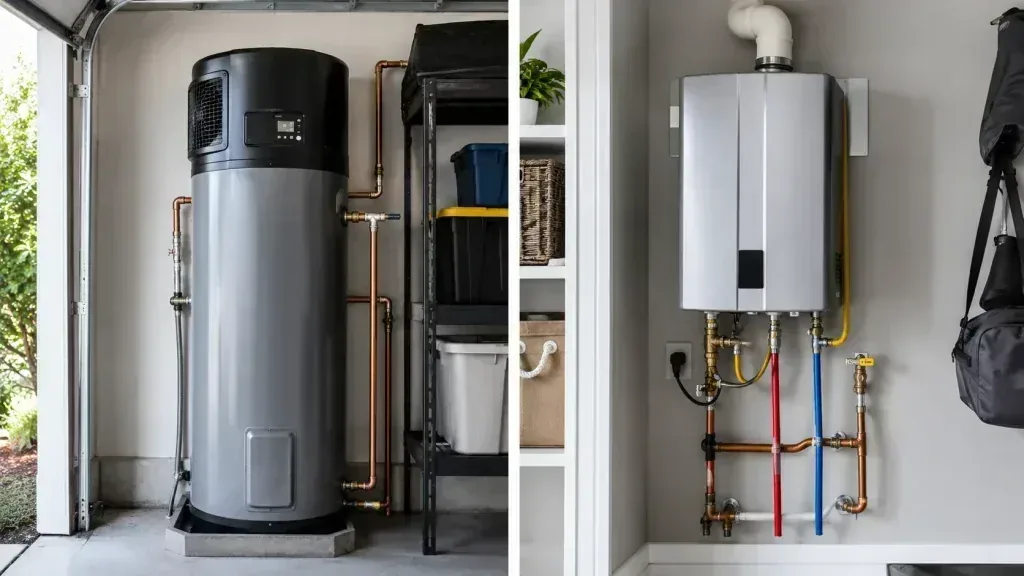 Water heatersHeat Pump vs. Tankless Water Heaters: Which Is Better for Your Home?How heat pump and tankless water heaters compare on running cost, hot water recovery, space and venting, and which one suits a Southern California home.Read the post
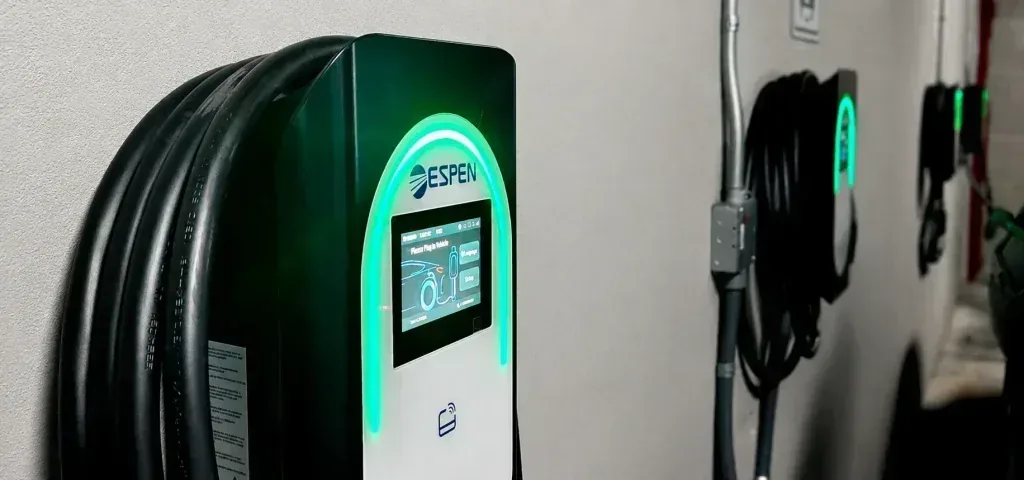 EV chargingLevel 2 EV Charger Installation: What Homeowners and Property Managers Should KnowWhat a Level 2 EV charger installation involves at a home or a managed property: electrical capacity, panel load, permitting, and what drives the cost.Read the post
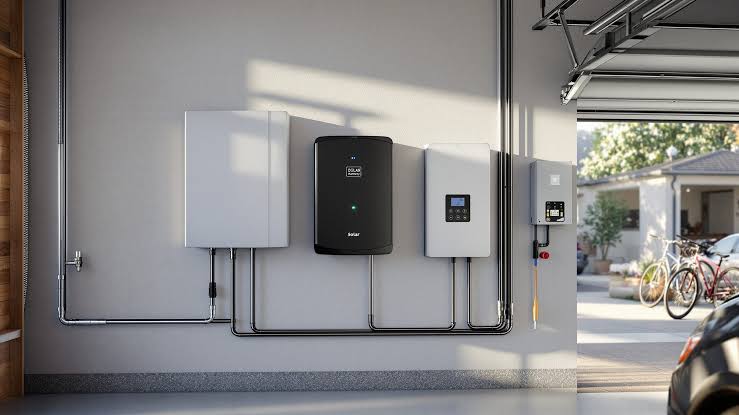 Battery storageSolar Battery Storage in California: Is It Worth It for Your Home?Under NEM 3.0 the value of solar moved to what you store and use yourself. When home battery storage pays in California, and when it does not.Read the post
Want this looked at on your own building?
One conversation and a recent bill is usually enough to tell you whether the numbers work.