Roofing, sequenced so the array only goes up once
Roofing sits on our contractor’s licence for one reason: a 25-year solar array on a 7-year roof is a guaranteed removal-and-reinstall bill. We assess, advise and, when it is the right call, re-roof first.
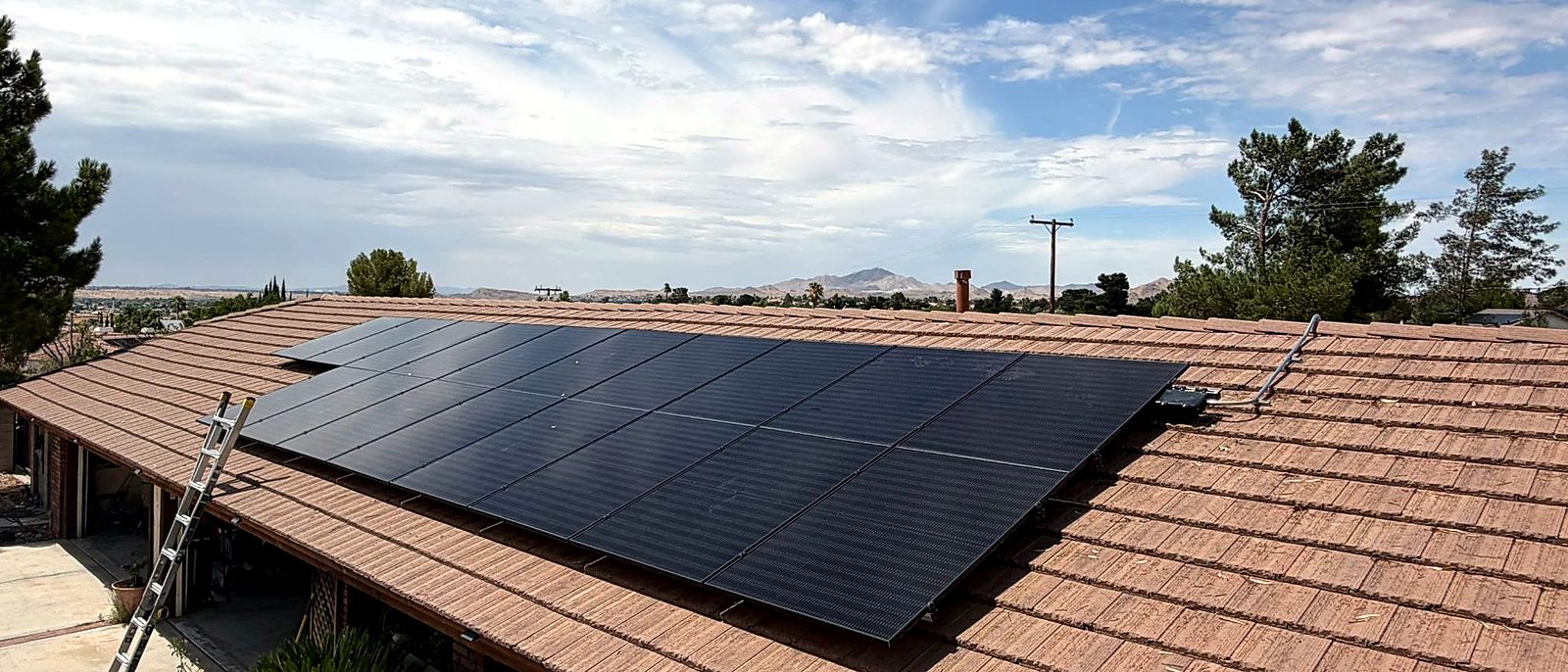
Why a solar company does roofing
Because the alternative causes most of the expensive problems in this industry.
The common failure is straightforward: an array goes onto a roof with a handful of years left. Five years later the roof fails, the homeowner discovers that removing and reinstalling the array costs thousands, the roofer will not warrant work around somebody else’s penetrations, and the solar company points at the roofer.
Having roofing on the same licence removes the seam. We assess the roof at consultation, tell you plainly what its remaining life is, and sequence accordingly.
What we install
Residential
- Composition shingle — architectural and three-tab
- Concrete and clay tile, including lift-and-relay
- Flat and low-slope sections
- Solar-ready attachment detailing designed in
Commercial & multifamily
- TPO and single-ply membrane
- Modified bitumen and built-up systems
- Roof condition assessment before array design
- Coordination with structural review for PV loading
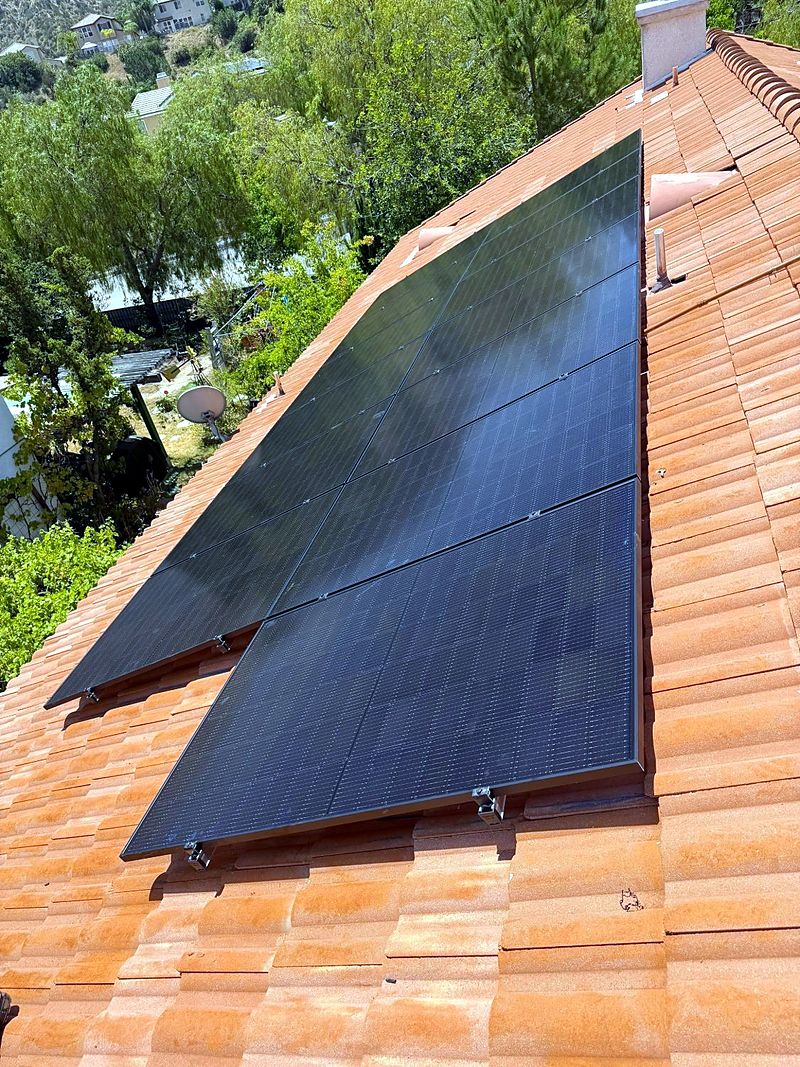
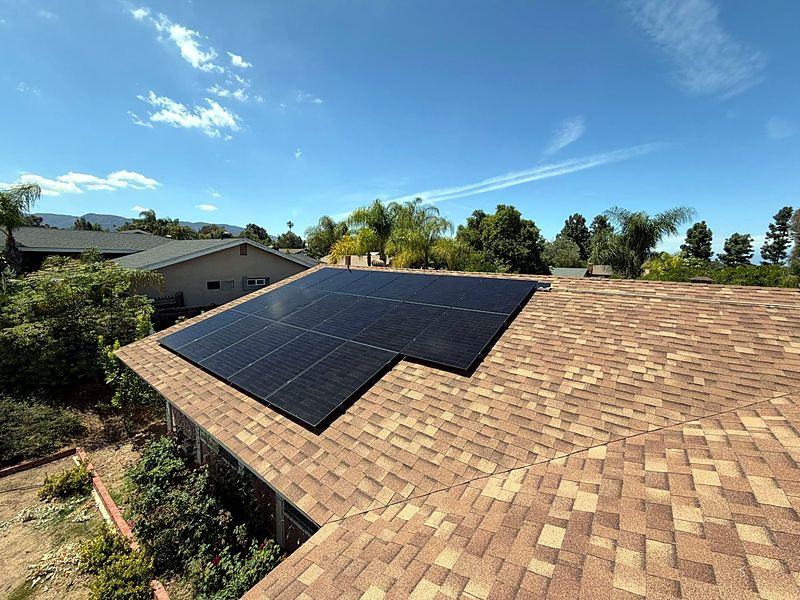
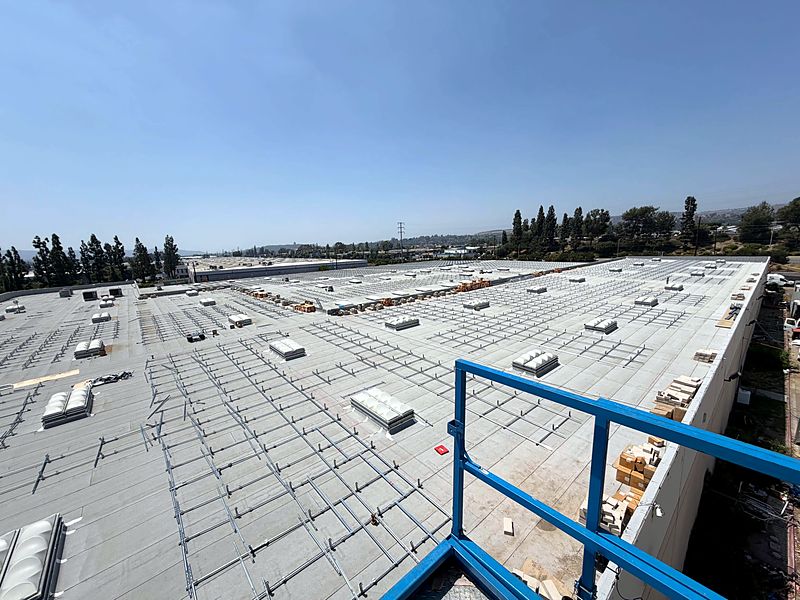
The sequencing question, answered
| Remaining roof life | What we recommend | Why |
|---|---|---|
| Under 10 years | Re-roof first, then solar | Removal and reinstall later costs thousands and strains both warranties |
| 10 to 15 years | Discuss — often worth doing together | One mobilisation is cheaper than two, and attachment is designed rather than retrofitted |
| Over 15 years | Solar now, roof later | Array and roof lives are close enough to align on a future replacement |
| Unknown | Assessment before design | Roof age is the single most common thing that derails a solar project mid-build |
Questions we get asked
Should I replace my roof before installing solar?
If the roof has less than roughly ten years of remaining life, yes. An array is a 25-year asset. Taking one off and putting it back so a roofer can work underneath costs thousands, risks the array, and often falls outside both warranties. Replacing first is almost always cheaper than replacing later.
Do solar panels damage a roof?
Properly flashed penetrations on a sound roof do not cause leaks — poor flashing and poor sequencing do. The panels themselves actually shelter the covered area from ultraviolet and thermal cycling. The risk is workmanship, which is exactly why we prefer the roof and the array to be the responsibility of one contractor.
What roof types do you work with?
Composition shingle, tile, flat and low-slope membrane systems including TPO on commercial and multifamily buildings, and metal. Each has different attachment detailing for solar, and the mounting method has to be chosen for the roof rather than for the installer’s convenience.
Can you re-roof and install solar in one project?
Yes, and it is the cleanest way to do it. One mobilisation, one schedule, one warranty conversation, and the attachment points get designed into the new roof instead of drilled through it afterwards.
Let’s find out what your building can actually do.
Send twelve months of utility data — or one recent bill — and we will come back with a straight answer, including ‘not yet’ if that is the honest one.