Do You Need a Main Electrical Panel Upgrade? 7 Signs to Watch
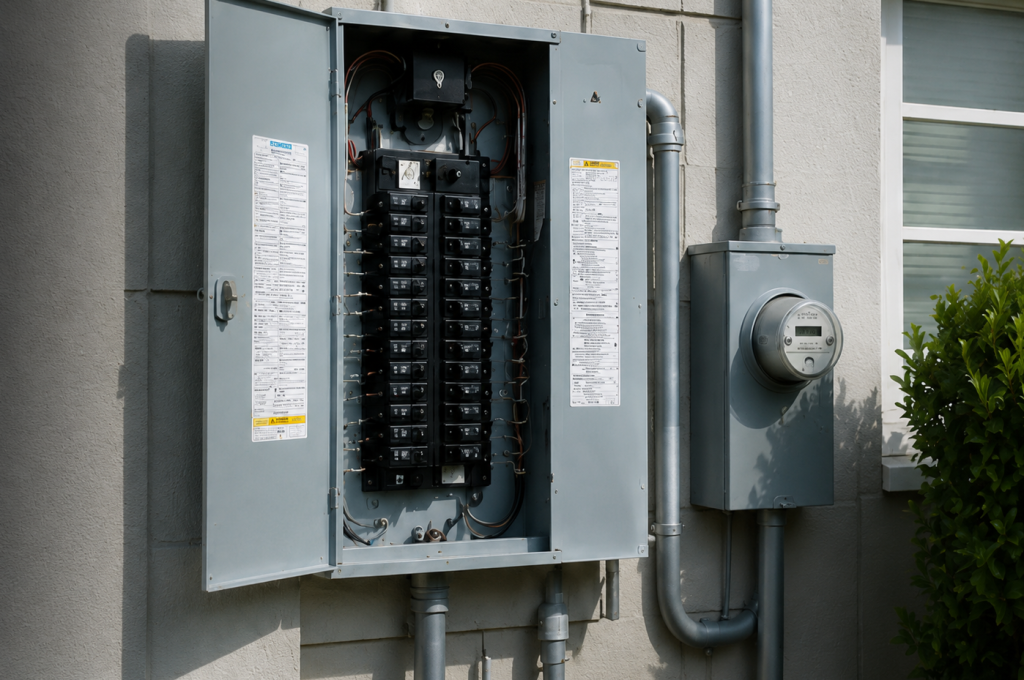
The electrical panel is the distribution center for power throughout a home. It receives electricity from the utility and sends it through individual circuits to lights, outlets, appliances, heating and cooling equipment, and other loads. When the panel is outdated, damaged, or short on capacity, adding new electrical equipment can become difficult or unsafe.
A main panel upgrade is often discussed when a homeowner is planning solar panels, battery storage, a Level 2 EV charger, an electric water heater, or a high-efficiency heat pump. However, not every project automatically requires a larger panel. The correct decision starts with an inspection and a professional load calculation.
What a Main Panel Upgrade Actually Does
Upgrading the main electrical panel can provide additional circuit space, modern overcurrent protection, and greater service capacity when the utility connection and property requirements support it. Many projects involve replacing an older panel with a modern panel and coordinating any necessary meter, service entrance, grounding, permitting, and inspection work.
The goal is not simply to install the largest panel possible. The goal is to create a safe, code-compliant electrical system that supports the home’s current and expected future loads.
1. You Are Adding a Level 2 EV Charger
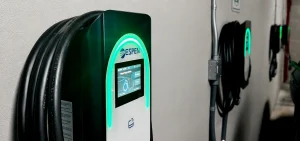
Level 2 charging normally uses a dedicated 240-volt circuit. The charger’s power level, the vehicle’s capabilities, and the home’s existing electrical load all influence whether the current panel can support it. Some homes have adequate capacity and open breaker space. Others need a panel upgrade or an approved load-management solution.
2. You Are Electrifying Multiple Home Systems
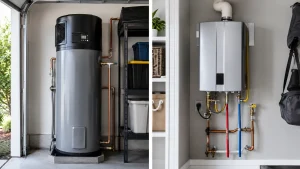
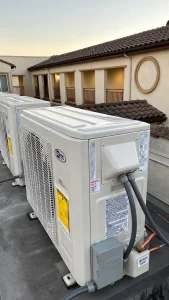
A single new appliance may fit within the existing service, but several upgrades can change the picture quickly. An EV charger, heat pump HVAC system, electric range, heat pump water heater, pool equipment, and battery system can add substantial connected load. Planning these projects together can prevent duplicated work and help the electrical design support future goals.
3. Your Panel Is Full or Uses Improvised Breaker Arrangements
A panel with no available breaker spaces may limit new circuits. Tandem breakers are allowed only in panels designed and listed for them, and an overcrowded panel should not be treated as a do-it-yourself puzzle. A licensed professional can determine whether a subpanel, circuit reconfiguration, load-management device, or full service upgrade is the appropriate solution.
4. Breakers Trip Frequently
A breaker that trips is doing its job by interrupting an unsafe or overloaded condition. Frequent tripping can indicate an overloaded circuit, faulty appliance, wiring problem, loose connection, or equipment defect. It does not automatically prove that the entire panel needs replacement, but it does justify a professional diagnosis.
5. You Notice Heat, Burning Odors, Buzzing, or Visible Damage
Warmth around the panel, burning smells, crackling or buzzing sounds, corrosion, scorch marks, or melted components are warning signs that should be addressed promptly. These conditions can involve loose connections, moisture intrusion, damaged breakers, or other hazards. Avoid opening or touching internal panel components and contact a qualified electrician.
6. The Panel Is Obsolete or Difficult to Service
Some older equipment is difficult to maintain because replacement parts are limited, the design no longer meets modern expectations, or the panel has a known history of performance concerns. Age alone is not a diagnosis, but the panel’s brand, condition, installation quality, available parts, and ability to support new loads should all be reviewed.
7. A Solar or Battery Project Reveals Capacity Constraints
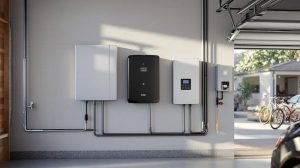
Solar and battery projects interact with the home’s electrical distribution system. The design team must evaluate busbar ratings, breaker positions, service configuration, utility rules, backup-load requirements, and local code. Sometimes the existing panel works with the proposed design. In other cases, upgrading or relocating equipment creates a cleaner and more scalable installation.
What Happens During a Professional Assessment?
A qualified assessment looks at more than the number printed on the main breaker. The electrician reviews the service size, panel condition, connected loads, circuit demand, available spaces, grounding and bonding, meter location, equipment clearances, utility requirements, and the customer’s future plans. A load calculation helps determine how much capacity the property actually needs.
This step can also identify alternatives to a complete service upgrade. Depending on the project and local requirements, options may include smart load management, a dedicated subpanel, circuit sharing, equipment with lower power demand, or phased improvements.
Plan the Electrical System Around the Whole Property
The best time to think about electrical capacity is before several separate contractors begin installing equipment. A coordinated plan can account for solar, battery storage, EV charging, HVAC, water heating, and future additions in one design. That can reduce surprises, avoid redundant work, and help the homeowner invest in the infrastructure that actually supports long-term needs.
Current Energy evaluates the electrical panel as part of a complete energy-upgrade strategy. Homeowners receive clear guidance on whether an upgrade is necessary, what the work includes, and how it connects to planned equipment.
Frequently Asked Questions
Does every EV charger require a 200-amp panel?
No. The answer depends on the charger output, existing service capacity, household load, available breaker space, and whether load management is appropriate. A professional assessment is required.
Can I install solar without upgrading my panel?
Many homes can. Solar design depends on the panel rating, service configuration, utility interconnection rules, and system size. The installer should evaluate these details during design.
How long does a panel upgrade take?
The physical work may be completed relatively quickly, but the full timeline can include engineering, permitting, utility coordination, inspection, and scheduling. The contractor should provide a project-specific timeline.
Should I replace a panel just because it is old?
Not necessarily. Age is one factor, but condition, safety, serviceability, capacity, and planned electrical loads are more useful decision points.
Next Step
Planning solar, battery storage, EV charging, or another electric upgrade? Current Energy can assess your existing panel, calculate the expected load, and recommend the right path without oversizing or unnecessary work. |