Solar Battery Storage in California: Is It Worth It for Your Home?
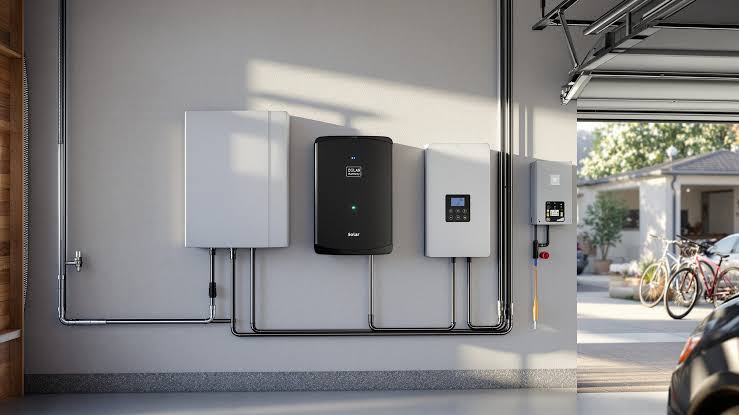
For years, many homeowners thought of rooftop solar as a simple daytime equation: panels produce electricity, the home uses what it needs, and extra power flows to the grid. Battery storage changes that equation by allowing a household to save part of its solar production for later.
That flexibility is particularly relevant in California, where many utility customers are on time-of-use rates and newer solar customers receive export credits under the state’s Solar Billing Plan, also known as the Net Billing Tariff. The value of electricity can vary by time of day, so using stored solar during expensive evening hours may be more valuable than exporting all excess production at midday.
What a Home Battery Does
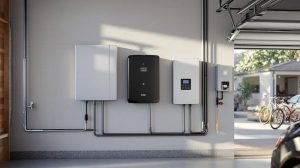
A home battery stores electricity for use at a later time. When paired with solar, it can charge from excess daytime production and discharge after sunset, during peak-rate periods, or when the utility grid is unavailable. The exact operating strategy depends on the equipment, utility program, customer priorities, and system configuration.
Battery storage is not the same as a whole-house generator. Every battery has limits on stored energy and instantaneous power output. A thoughtful design identifies which loads should remain available, how long backup is expected to last, and whether the system should prioritize bill savings, backup resilience, or a balance of both.
Why Batteries Matter Under California’s Solar Billing Plan
For customers under the current California Solar Billing Plan in the service territories of major investor-owned utilities, exported solar energy is credited based on its value to the grid rather than automatically receiving the full retail electricity rate. The California Public Utilities Commission encourages customers to use or export stored energy during higher-value evening periods.
A battery can increase solar self-consumption by holding energy that would otherwise leave the property during the day. Later, the home can draw from the battery instead of purchasing as much electricity from the utility during peak hours. Actual savings depend on the utility, rate plan, consumption pattern, battery settings, equipment efficiency, and system size.
Backup Power During Outages
A standard grid-connected solar system usually shuts down during an outage unless it is designed with approved backup equipment. This safety feature prevents electricity from feeding utility lines while crews may be working on them. A properly configured solar-plus-storage system can isolate selected home circuits from the grid and continue supplying them during an outage.
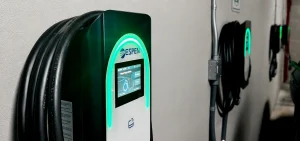
Homeowners should decide which loads are truly critical. Refrigeration, internet equipment, selected lights, medical devices, garage access, and a few outlets may require far less power than central air conditioning, electric cooking, pool pumps, or an EV charger. Prioritizing essential loads can extend backup duration and control project cost.
How Battery Size Is Determined
Battery capacity is commonly measured in kilowatt-hours, while output power is measured in kilowatts. Capacity affects how much energy can be stored. Power affects how many appliances can run at the same time. Both numbers matter.
A professional design should review interval usage data when available, evening energy consumption, solar production, utility rate periods, outage goals, large motor loads, future electrification plans, and the customer’s budget. The best system is not always the largest. It is the system sized to accomplish a clearly defined goal.
Can a Battery Be Added to Existing Solar?
In many cases, yes. Homeowners with an existing solar array may be able to retrofit battery storage without replacing the panels. The design depends on the existing inverter, electrical configuration, available space, interconnection agreement, equipment compatibility, and desired backup loads.
Retrofit projects may use an AC-coupled approach, where the battery has its own inverter, or another configuration selected by the designer. An assessment should also confirm the condition of the solar system and electrical panel before new equipment is added.
Questions to Ask Before Buying a Battery
Start by defining the problem you want the battery to solve. Are you mainly concerned about short outages, extended outages, evening electricity prices, solar self-consumption, or a combination of these goals? Ask which circuits will be backed up, the expected usable capacity, continuous and surge power ratings, warranty terms, operating modes, monitoring features, and what happens when the battery reaches its minimum state of charge.
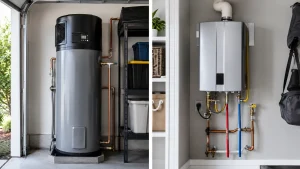
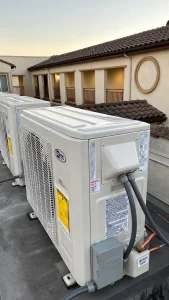
You should also ask how the design accounts for future loads. A homeowner planning an EV, heat pump HVAC system, or electric water heater may have a different long-term energy profile than the historical utility bill suggests.
Is Solar Battery Storage Worth It?
Battery storage can be worthwhile when the homeowner values backup power, wants to use more solar energy on-site, or can reduce purchases during expensive time-of-use periods. It may be less compelling when outages are rare, evening electricity use is low, or the customer expects a very short financial payback without considering resilience benefits.
A transparent proposal should model realistic solar production, battery behavior, utility rates, degradation, warranty coverage, and financing costs. Be cautious of guaranteed savings claims that do not explain their assumptions.
Current Energy designs solar and storage together or adds batteries to qualifying existing systems. The team handles assessment, system design, permits, installation, inspection, utility coordination, commissioning, and ongoing support.
Frequently Asked Questions
Will solar panels work during a power outage?
Most grid-connected solar systems shut down during an outage unless they include approved backup equipment. A properly designed battery system can isolate selected loads and provide power safely.
How long can a home battery provide backup?
Backup duration depends on battery capacity, the number and size of connected loads, solar production during the outage, battery settings, and the battery’s starting charge level.
Can a battery power central air conditioning?
Some systems can support certain HVAC equipment, but startup power and continuous load must be considered. The answer depends on the battery output, HVAC specifications, and overall backup design.
Do I need new solar panels to add a battery?
Not always. Many existing solar systems can be retrofitted with storage, but compatibility, electrical configuration, permits, and utility requirements must be reviewed.
Next Step
Wondering whether a battery would improve the value of your solar system? Current Energy can review your utility usage, outage priorities, existing equipment, and rate plan to design a storage solution around your goals. |