Level 2 EV Charger Installation: What Homeowners and Property Managers Should Know
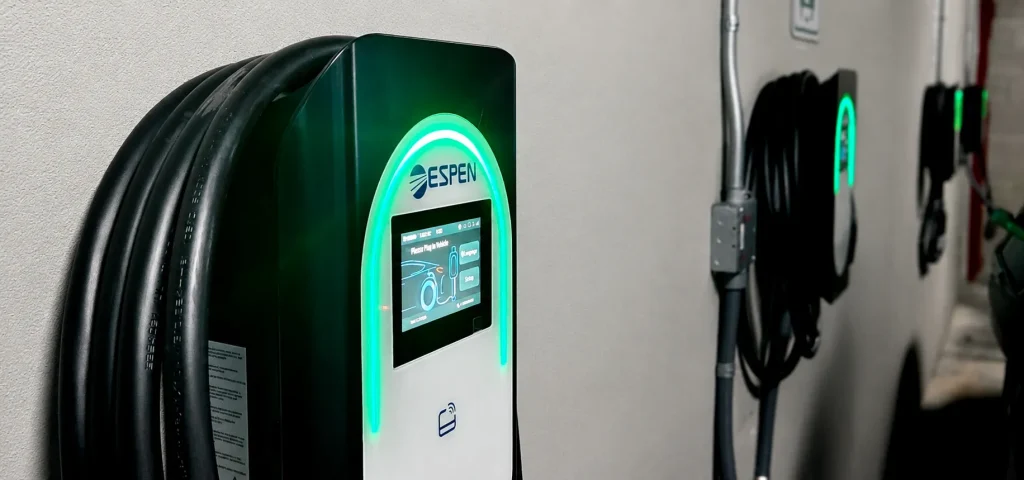
Charging at home or at a frequently visited property is one of the biggest convenience advantages of driving an electric vehicle. Instead of making a separate fueling stop, the driver can plug in while the vehicle is already parked. A Level 2 charger makes that routine much faster and more predictable than relying only on a standard household outlet.
The charger itself is only one part of the project. A safe, reliable installation also depends on electrical capacity, circuit design, equipment location, weather exposure, cable reach, permits, networking needs, and how the charging system will grow over time.
Level 1 vs. Level 2 Charging
Level 1 charging typically uses a standard 120-volt outlet. It may be sufficient for plug-in hybrids, shorter daily driving, or vehicles that remain parked for long periods. Level 2 charging uses a 208- or 240-volt supply and can add substantially more driving range during the same amount of time.
The U.S. Department of Energy notes that Level 2 charging is commonly used for overnight residential charging, workplaces, and public locations. Actual charging speed depends on the charger output and the vehicle’s onboard charging limit, so installing a higher-power charger does not always make the vehicle charge faster.
The Electrical Assessment Comes First
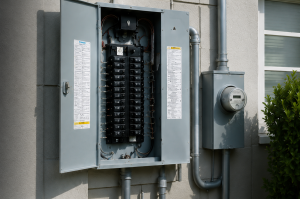
Before choosing charger power, an installer should evaluate the electrical service, main panel, available breaker space, existing household or building loads, circuit distance, and parking location. The charger normally requires a dedicated circuit sized according to electrical code and manufacturer instructions.
A 200-amp service is not automatically required for every home charger. Some properties have ample capacity with smaller service, while others are already close to their calculated limit. Depending on the project, the solution may involve a panel upgrade, smart load management, a lower charger setting, or another engineered approach.
Choosing the Right Charger Location
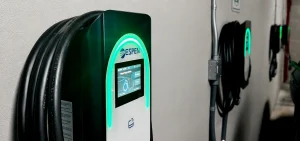
The ideal location keeps the cable easy to reach without creating a tripping hazard or forcing it to stretch across a walkway. It should also account for where the vehicle’s charge port is located, whether a second EV may be added, and whether the charger needs to be mounted indoors or outdoors.
Outdoor equipment should be listed for the environment and installed with appropriate protection. For attached garages and shared parking areas, the installer may also need to consider fire separation, bollards, accessibility, signage, conduit routing, and property rules.
Smart Charging and Time-of-Use Rates
Many Level 2 chargers can schedule charging, track electricity use, connect to an app, or respond to utility programs. Scheduling the vehicle to charge during lower-cost periods may reduce operating costs on a time-of-use rate. Smart charging can also help a property avoid unnecessary peak demand.
For a single-family home, these features are often about convenience and rate management. For apartments, workplaces, and commercial properties, networked charging can support access controls, driver billing, usage reporting, station status, and remote troubleshooting.
Multifamily EV Charging Requires a Scalable Plan
Installing one charger at an apartment or condominium property may seem simple, but demand can grow quickly. Property owners should consider how many residents may request charging over the next several years, where electrical capacity is located, how energy use will be allocated, and who will manage the stations.
Smart load management can distribute available power among multiple vehicles instead of requiring every charger to operate at maximum output simultaneously. This can reduce infrastructure requirements while still providing useful charging during long overnight parking periods.
A complete multifamily plan may also include assigned or shared spaces, resident authentication, pricing rules, visitor access, Americans with Disabilities Act considerations, trenching, networking, signage, and ongoing maintenance responsibilities.
Commercial and Workplace Charging Considerations
Businesses should match the charging level to how long vehicles normally remain on-site. Level 2 charging often works well for offices, hotels, retail centers, multifamily communities, and fleet vehicles with several hours of dwell time. DC fast charging may be more appropriate where drivers need a rapid stop, but it typically requires much more electrical infrastructure and careful evaluation of demand charges.
Commercial station owners should define whether charging is free, restricted, or paid; who can access it; how revenue and energy costs will be tracked; and what uptime expectations apply. Equipment selection should consider network fees, warranties, service response, replacement parts, and the ability to manage multiple properties from one dashboard.
Permits, Installation, and Commissioning
Many Level 2 installations require a permit and inspection. The contractor should verify the charger listing, circuit and conductor sizing, breaker requirements, grounding, mounting, disconnects when applicable, and local code. After installation, the system should be tested at the configured output and the customer should be shown how to use scheduling, access, and monitoring features.
Current Energy manages the process from site assessment and electrical planning through permitting, installation, commissioning, and future expansion. Residential, multifamily, and commercial systems can be designed around the property instead of forcing the property to fit a one-size-fits-all charger package.
Frequently Asked Questions
How fast is a Level 2 EV charger?
Charging speed varies by charger output, vehicle capacity, battery state, and temperature. Many Level 2 systems can provide a useful overnight charge, but the vehicle’s onboard charger sets the maximum AC charging rate it can accept.
Does an EV charger require a permit?
Many jurisdictions require permits and inspection for a new 240-volt charging circuit. Requirements vary, so the installer should confirm local rules before work begins.
Can I install an EV charger outdoors?
Yes, when the equipment is appropriately rated and installed for outdoor conditions. The location should also protect the cable, connector, and mounting hardware from damage.
Can apartment owners charge residents for electricity?
Networked charging systems can support user authentication and payment options. The property should choose equipment and policies that comply with applicable utility, billing, lease, and local requirements.
Next Step
Need EV charging for a home, apartment community, workplace, or commercial property? Current Energy can evaluate electrical capacity, design the infrastructure, handle permits, and install a system that is ready to scale. |