Understanding Government Incentives for Residential Solar
A plain-English look at the federal, state and local incentives for residential solar, and what a homeowner should verify before counting on any of them.

As politicians continue to battle over addressing global climate change, residential solar power continues to be a beacon of hope for homeowners looking to reduce their carbon footprint while saving on energy costs. Governments worldwide have recognized the importance of incentivizing solar energy to mitigate environmental damage and promote energy independence and economic growth. This blog will delve into the various government incentives available for residential solar installations, empowering homeowners to make informed decisions about embracing clean energy.
Federal Tax CreditsOne of the most significant incentives for residential solar is the Federal Investment Tax Credit (ITC). This credit allows homeowners to deduct a portion of the cost of installing a solar energy system from their federal taxes. The ITC covers 26% of the installation cost as of 2021, making solar power more financially accessible for many households. There is still time to claim your ITC!
State and Local RebatesBeyond federal incentives, many states and local governments offer additional rebates or incentives for installing solar panels and battery storage. These can vary widely depending on location but often come in the form of cash rebates, tax credits, or performance-based incentives. These state and local programs can significantly enhance the financial feasibility of solar installations. The California Public Utilities Commission offers a $150 rebate for each kilowatt-hour of your solar storage system with higher rebates ($850 or $1000 per kilowatt hour) if you meet certain income or geographic requirements.
Net Metering ProgramsNet metering allows homeowners with solar panels to sell excess electricity back to the grid. Although NEM 3.0 has reduced this incentive’s impact, homeowners still receive compensation for the extra energy they produce, further incentivizing solar adoption. (You can read more about our thoughts on NEM 3.0 here)
Disadvantaged CommunitiesSingle-Family Solar Homes Program California’s DAC-SASH program provides solar incentives for low-income customers in disadvantaged communities. Administered by GRID Alternatives, the program offers Californians $8.5 million in incentives annually. The California Public Utilities Commission says that eligible customers can receive up to $3 per watt in incentives for solar installations. The current cost per watt of solar panels in California is $3.93, so DAC-SASH participants could save about 75% on solar installations.
Property Tax ExemptionsIn some jurisdictions, installing a solar energy system can increase a property’s value. However, to alleviate concerns about higher property taxes, many states offer exemptions or deductions for the increased home value resulting from solar installations. This encourages homeowners to invest in solar energy without fearing additional tax burdens.
Solar Renewable Energy Certificates (SRECs)SRECs are tradable certificates that represent the renewable attributes of solar energy. In regions with Renewable Portfolio Standards (RPS), utilities must generate a certain percentage of their power from renewable sources. Homeowners can sell their SRECs to utilities to help them meet these requirements, providing an additional revenue stream for solar energy production. California homeowners can find the California Renewable Portfolio Standard (RPS) here.
By leveraging national, state, and local government incentives, homeowners can take advantage of the numerous benefits of residential solar power. Not only does solar energy reduce reliance on fossil fuels and decrease greenhouse gas emissions, but it also provides long-term savings on electricity bills and increases the value of residential properties. As governments continue prioritizing renewable energy initiatives, these incentives are crucial in accelerating the transition to a sustainable energy future. Whether driven by environmental concerns, economic incentives, or energy independence, investing in residential solar power is a step towards a brighter, cleaner future for all.
What does it all mean?Digesting all the incentives can seem daunting, and chatting with a solar specialist can help. Feel free to schedule a free consultation with our residential solar experts here.
Published February 28, 2024
More from the blog
 Water heatersHeat Pump vs. Tankless Water Heaters: Which Is Better for Your Home?How heat pump and tankless water heaters compare on running cost, hot water recovery, space and venting, and which one suits a Southern California home.Read the post
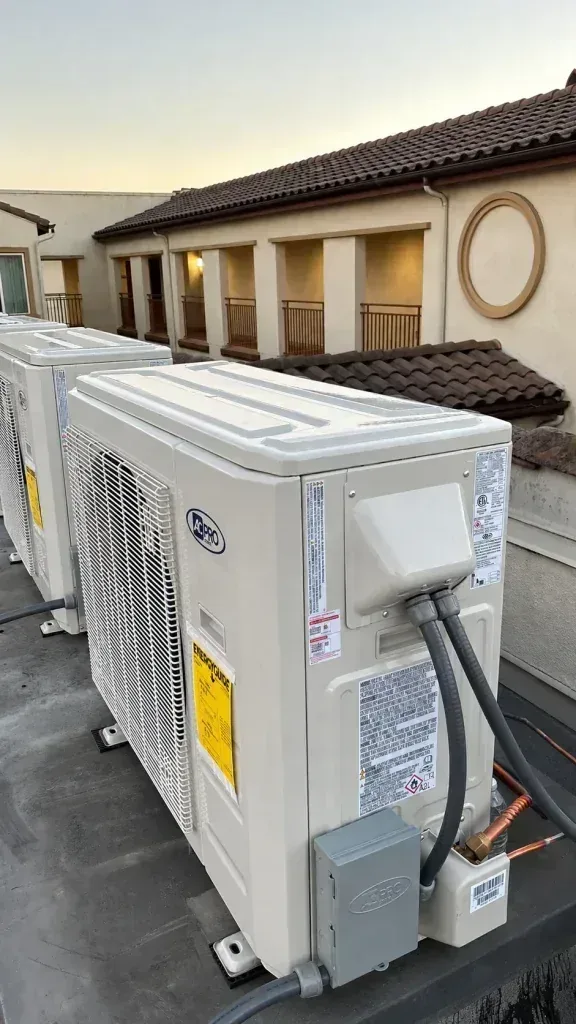 HVACHow a High-Efficiency HVAC System Can Lower Energy Costs and Improve ComfortWhat actually makes an HVAC system efficient, why sizing and installation matter more than the label on the box, and when replacing yours is worth it.Read the post
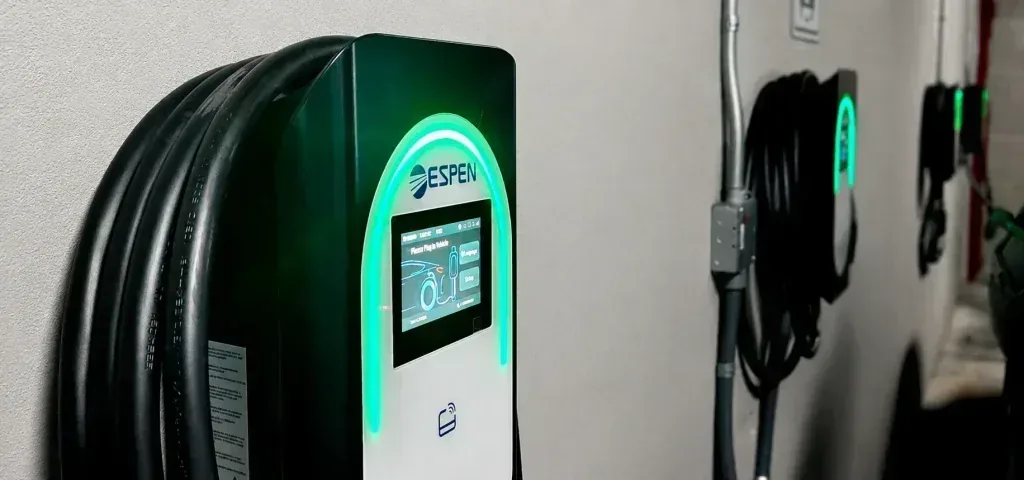 EV chargingLevel 2 EV Charger Installation: What Homeowners and Property Managers Should KnowWhat a Level 2 EV charger installation involves at a home or a managed property: electrical capacity, panel load, permitting, and what drives the cost.Read the post
Want this looked at on your own building?
One conversation and a recent bill is usually enough to tell you whether the numbers work.